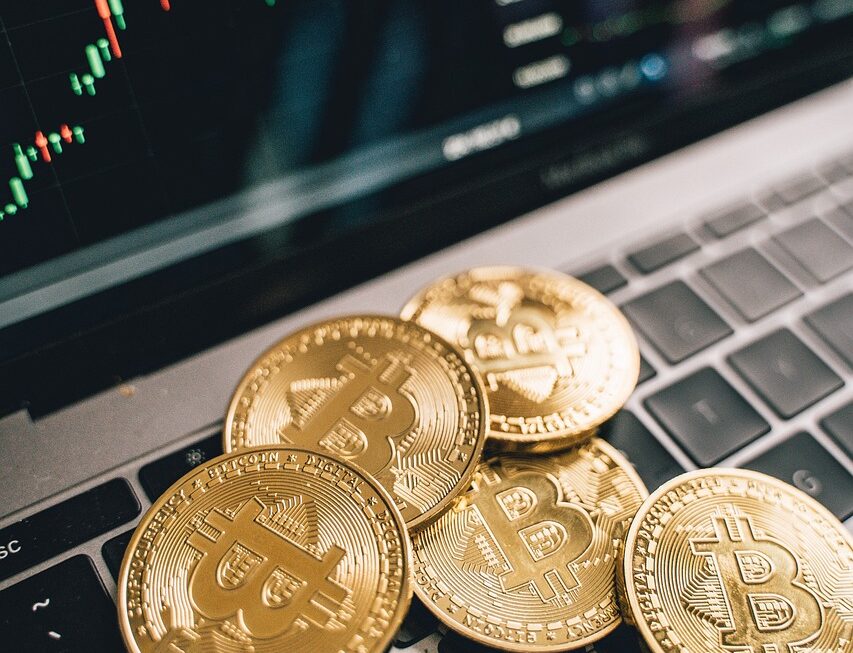
A practical overview of Crypto 2026, covering the core concept, primary use cases, and major market considerations.
December 2025 refresh — Crypto 2026 analysis curated by Editor.
The crypto landscape has undergone immense changes in the past decade, shaping and reshaping the way we view investments, finance, and even everyday transactions. As we look toward 2026, the cryptocurrency market is poised for further evolution, driven by technological advancements, regulatory developments, and shifts in consumer behavior. This article will unpack the potential developments in the crypto world by 2026, focusing on changes in trading strategies, emerging trends, and the overall landscape.
The Evolution of Cryptocurrency Trading
To understand where we might be headed by 2026, it’s crucial first to examine the evolution of cryptocurrency trading since the inception of Bitcoin in 2009. Initially regarded as a niche market dominated by early adopters and tech enthusiasts, cryptocurrencies have gained global recognition and acceptance over the years.
The Early Days of Crypto
During its formative years, cryptocurrency trading was heavily speculative, characterized by extreme volatility and high risks. Traders often engaged in short-term trading, leveraging price swings for profit. With relatively low entry barriers, anyone with an internet connection could become a trader, thus fueling a wave of interest. Regulatory uncertainty, however, loomed as a significant challenge, creating a volatile market with limited institutional participation.
The Rise of Institutional Interest
By 2021, a notable shift occurred as institutional players began to enter the space. With increased regulatory clarity in some jurisdictions and growing acceptance of digital assets, hedge funds, family offices, and large corporations started to allocate a portion of their investment portfolios to cryptocurrencies. This shift contributed to a more stable trading environment, as institutional investments often bring greater liquidity and reduced volatility.
The Trading Platforms Revolution
The growth of user-friendly trading platforms has democratized access to cryptocurrency trading. In recent years, numerous exchanges have emerged, offering a variety of features such as advanced charting tools, mobile applications, and automated trading bots. As we move toward 2026, we should anticipate the continued evolution of trading platforms, impacting how traders and investors engage with cryptocurrencies.
Expecting Key Trends in 2026
As we look ahead to 2026, several key trends are likely to shape the cryptocurrency trading landscape. These trends are driven by technological advancements, regulatory changes, and shifts in consumer preferences.
Increased Regulation
Regulatory frameworks surrounding cryptocurrencies have been a significant focus for governments around the world. By 2026, we can anticipate a more structured approach to regulation. Countries may implement comprehensive guidelines that define the legal status of cryptocurrencies, enforce anti-money laundering (AML) measures, and protect investors.
Clear regulations can help reduce risks for investors while providing legitimacy to the industry. In turn, a sound regulatory environment may encourage more institutional players to enter the market and increase overall participation.
Integration of Decentralized Finance (DeFi)
Decentralized finance has disrupted traditional financial systems by offering transparent, permissionless, and accessible financial services. This ecosystem has rapidly expanded, and by 2026, we can expect further integration of DeFi within the mainstream financial system. Learn more about Crypto 2026 insights

Traders will have the opportunity to utilize various DeFi platforms to engage in yield farming, lending, and liquidity provision. Furthermore, interoperability between DeFi and traditional finance could allow traders to leverage these services, creating innovative trading strategies and investment opportunities.
Rise of Central Bank Digital Currencies (CBDCs)
Many central banks are researching and piloting their digital currencies. By 2026, we might witness the emergence of several CBDCs, fundamentally changing the cryptocurrency trading landscape. CBDCs could enhance the legitimacy of blockchain technology, offering consumers and traders a state-backed alternative to existing cryptocurrencies.
Traders should be prepared for the potential impact of CBDCs on liquidity, payment methods, and the overall perception of cryptocurrencies. CBDCs might also influence regulatory approaches, creating a more complex relationship between traditional fiat currencies and decentralized options.
Evolution of Trading Strategies
As market dynamics evolve, the strategies employed by traders will also adapt. By 2026, we can expect traders to utilize more sophisticated tools and techniques driven by artificial intelligence (AI) and machine learning.
The Role of AI in Trading
AI and machine learning are already making strides in the trading world by analyzing market data in real time, identifying patterns, and automating trading decisions. By 2026, more traders may leverage AI-driven analytics to inform their trading strategies, enabling more precise and data-driven decision-making. Predictive models could help traders better anticipate market movements, resulting in improved trading performance.
Social Trading and Peer-to-Peer Networks
As social media continues to influence trading decisions, we can expect an increase in platforms that facilitate social trading. By 2026, users may witness platforms that allow traders to share insights and strategies in real time, creating a more interconnected trading community. This model can benefit novice traders who seek guidance and mentorship from experienced peers.
Emerging Cryptocurrencies and Innovations
The cryptocurrency market is constantly evolving, with new digital assets and innovations emerging regularly. By 2026, we can expect exciting developments and trends that may impact trading strategies and investor sentiment.
The Growth of NFTs and the Metaverse
Non-fungible tokens (NFTs) have exploded in popularity, allowing individuals to buy, sell, and trade unique digital assets. By 2026, we might see further integration of NFTs into trading strategies, as platforms develop unique investment tools to monetize and leverage NFT collections.
Moreover, the rise of the metaverse could present new opportunities for traders. In-game currencies and assets could lead to innovative trading strategies, merging gaming and finance as users experience virtual environments where crypto plays a vital role.
Environmental Concerns and Sustainable Cryptocurrencies
Explore the latest Crypto 2026 trends

The environmental impact of cryptocurrencies, particularly those relying on proof-of-work mechanisms, has come under scrutiny. By 2026, there is a growing expectation for more sustainable cryptocurrencies and practices within the crypto community. This trend may influence trading strategies, as investors increasingly consider the sustainability and carbon footprint of their assets.
Coins focused on sustainability, energy efficiency, and community-oriented principles may gain prominence. Traders should stay informed about these developments to make informed decisions aligned with evolving consumer values.
Privacy Coins and Decentralized Identity Solutions
Privacy-focused cryptocurrencies could see increased interest as individuals become more concerned with data privacy and security. By 2026, the demand for privacy coins and decentralized identity solutions may lead to innovative trading opportunities. Traders who understand the risks and benefits associated with privacy coins may have an advantage in anticipating market trends.
The Role of Education in Crypto Trading
With the rapid evolution of the cryptocurrency market, education will play an essential role in ensuring that traders are well-informed and equipped to navigate this dynamic environment. As we approach 2026, the importance of education will be underscored by several factors.
Increased Awareness of Risks
As the market matures, it’s crucial for traders to be aware of the inherent risks associated with cryptocurrency trading. High volatility, potential for loss, security breaches, and regulatory changes can all impact trading outcomes. As awareness grows, education-based initiatives can empower traders to make informed decisions and develop sound risk management strategies.
Educational Platforms and Content
In response to the rising demand for knowledge, educational platforms are likely to proliferate. By 2026, we might see a broader range of resources available for traders, including webinars, online courses, podcasts, and social media groups dedicated to teaching key trading concepts and strategies.
Traders will benefit from building a strong foundation in blockchain technology, market analysis, and the intricacies of investing in various cryptocurrencies.
Community-Driven Learning
The rise of crypto communities and forums will also play a critical role in education. Collaborative platforms where users can ask questions, share experiences, and learn from one another will flourish. This community-driven approach fosters an environment conducive to the exchange of knowledge and insights, enabling traders to thrive.
Risk Management and Responsible Trading Practices
As cryptocurrencies become more mainstream, the importance of responsible trading practices cannot be overstated. By 2026, traders must prioritize risk management to navigate an evolving and unpredictable market.
The Psychology of Trading
Deep dive into Crypto 2026 research

Understanding the psychological aspects of trading will become increasingly vital. Discipline, emotional control, and decision-making under pressure are critical components of successful trading. Traders should recognize the importance of adhering to their strategies and mitigating the impact of fear and greed.
Established Trading Plans
Traders must develop personalized trading plans that consider their risk tolerance, investment goals, and market conditions. By 2026, the focus on establishing clear trading plans will serve as a foundational element for traders to navigate the complexities of the cryptocurrency landscape.
Tools for Tracking Performance
As technology improves, traders will have access to advanced tools for tracking performance, analyzing trades, and assessing overall portfolio health. By incorporating these tools into their trading practices, traders can refine their strategies and optimize their decision-making processes.
Concluding Thoughts
The cryptocurrency landscape in 2026 is likely to be drastically different from what it is today. The trends we have discussed, including regulatory advancements, the rise of decentralized finance, and the emergence of new technologies, will reshape the way we engage with digital assets and trading platforms.
As traders navigate this dynamic environment, the importance of education, risk management, and responsible trading will remain paramount. Furthermore, understanding the implications of emerging trends—ranging from social trading to environmental concerns—will empower traders to make informed decisions that align with their objectives.
As we approach 2026, the potential for growth and innovation within the crypto space holds both exciting opportunities and challenges. Staying informed and adaptable will be essential for surviving and thriving in this fast-evolving landscape.
—
Supported by
The insights and projections in this article are supported by a combination of market research and analysis from various credible sources within the cryptocurrency and financial industries.
🔍 Top Takeaways
- Security and regulation will define the next phase for Crypto 2026.
- Investors are using AI analytics to enhance Crypto 2026 decisions.
- Continuous research highlights evolving Crypto 2026 patterns.
What future developments may influence Crypto 2026?
Future developments around Crypto 2026 may include automation, AI-driven insights and clearer regulatory guidelines.
What is Crypto 2026 and how does it work?
Crypto 2026 refers to a process or concept used to simplify crypto decisions, helping users understand market signals efficiently.
Why is Crypto 2026 important in crypto?
Crypto 2026 matters because it improves clarity, reduces uncertainty and supports better timing for trades and analysis.