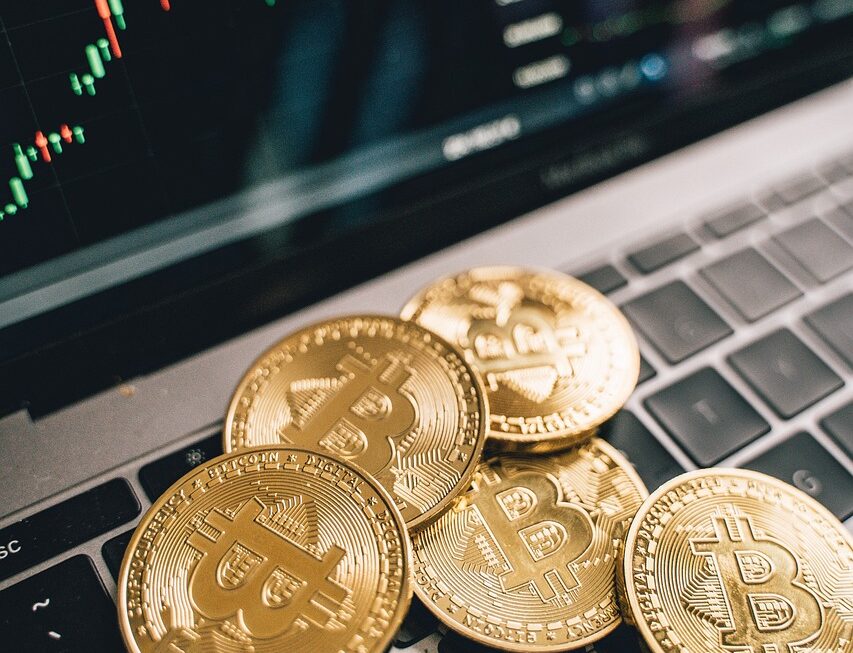
Amy House reported on Friday, February 13, 2026 at 07:30 AM that trading crypto on margin involves navigating significant risks that require a conservative approach to ensure safety and minimize potential losses.
Trading cryptocurrency on margin involves borrowing funds to increase the potential return on investment, which can significantly amplify both gains and losses. This practice carries inherent risks, such as the possibility of losing more than the initial investment, especially if market conditions turn unfavorable. Historical instances of market crashes have revealed severe consequences for investors who over-leverage their positions, underscoring the importance of understanding market volatility and the critical need for diligent risk management.
What Actually Matters
- Trading cryptocurrency on margin involves borrowing funds to increase potential returns, but this also amplifies the risk of significant losses.
- Establishing clear limits on leverage is essential to maintain safety and reduce the anxiety associated with market volatility.
- Potential risks include the possibility of losing more than the initial investment, which underscores the importance of thorough risk assessment before engaging in such activities.
- Credible platforms for margin trading often provide transparency in their fee structures and risk disclosures, which can help users make informed decisions.
- In situations where market conditions become excessively unfavorable, it is prudent to consider exiting the trade to mitigate further financial exposure.
Trading crypto on margin can be an enticing opportunity for experienced investors looking to amplify their potential gains. However, it is important to recognize that this approach also carries significant risks that may not be suitable for everyone. Individuals who lack a clear understanding of market dynamics, those who cannot afford to lose their investment, or traders who are new to both cryptocurrency and margin trading should consider refraining from participating in this activity. The potential dangers of margin trading.
The worst-case scenarios can be severe. Margin trading involves borrowing funds to increase one’s trading position, which can lead to larger losses if the market turns unfavorable. In extreme situations, investors may find themselves subject to margin calls, where they are forced to deposit additional funds or sell assets at a loss to maintain their positions. In highly volatile markets, sudden price swings can quickly erode value, resulting in substantial financial damage. Conditions that might make this strategy unsuitable.
Common user mistakes can introduce additional risks. Traders often underestimate market volatility and might not have adequate risk management strategies in place, which can lead to impulsive decisions. Furthermore, those who lack the experience may fail to set appropriate stop-loss orders, which are intended to minimize losses. Not fully comprehending the mechanics of borrowing and the obligations that come with margin trading can further compound these risks. Considering financial limitations before engaging.
| Ongoing responsibilities for risk management | Long-term financial consequences from volatility | Exclusion of non-active traders | Strategies to address margin risks |
|---|---|---|---|
| Continuous monitoring of positions and market conditions | Potential for significant losses exceeding initial capital | Requires regular engagement and informed decision-making | Implementing stop-loss orders to limit potential losses |
| Keeping abreast of regulatory changes affecting margin trading | Risk of liquidation during market downturns | Inapplicable for casual or infrequent traders | Diversifying investments to spread risk |
| Timely assessment of leverage used and its impact on trades | Substantial interest costs on borrowed funds | Poor fit for risk-averse participants | Using lower leverage ratios to decrease exposure |
| Need for detailed understanding of margin calls and requirements | Possible impact on overall investment portfolio balance | May deter conservative investors from participating | Establishing clear risk tolerance levels before trading |
An honest overview of potential risks reveals that while margin trading can magnify profits, it can just as easily amplify losses. The practice exposes traders to unique vulnerabilities, including emotional decision-making driven by fear and greed. A lack of comprehensive knowledge surrounding both the underlying assets and the margin trading system itself can lead to costly errors that may take considerable time to recover from. Understanding the psychological impacts of trading.
Concrete security threats and attack vectors also play a pivotal role in this landscape. Cybersecurity incidents related to exchanges—where assets are held—can result in sizable losses. Traders must remain vigilant regarding phishing attempts, scams, and the potential for hacking. Choosing to trade on insecure platforms increases the chances of falling victim to these threats. Thus, the security of the platform and the safety of one’s assets should take precedence in any trading decision. Evaluating market conditions for informed decisions.
In any discussion around trading crypto on margin, regulatory compliance cannot be overlooked. Different jurisdictions may have varying rules regarding margin trading in cryptocurrencies. Non-compliance with these regulations can lead to legal repercussions, or even restrictions on trading, which could halt profitable strategies abruptly. The risks associated with high leverage in trading.
| Impact on realizing returns over extended timeframes | Vulnerabilities tied to concentrated positions | Learning curve associated with effective margin trading | Alignment with user experience and engagement levels |
|---|---|---|---|
| Potential delays in capital recovery during market fluctuations | High exposure to sudden market movements leading to large losses | Requires understanding margin mechanics, which can be complex | Suitable for active traders who can monitor positions daily |
| Increased transaction fees over time, reducing net returns | Dependence on the volatility of specific assets increases risk | Necessitates knowledge of risk management principles | Less ideal for one-time investors seeking passive gains |
| Time needed to analyze leverage impacts on returns | Risk of forced liquidation events if margin requirements are not met | Involves familiarization with trading platforms and tools | Appropriate for traders with prior experience in financial markets |
| Opportunity costs associated with margin investments compared to other strategies | Exposure to broader market downturns due to leveraged positions | Investment in education to navigate margin trading effectively | Better fit for those with a proactive approach to trading |
Reflecting on historical failures in margin trading can also serve to illustrate the real consequences of these decisions. Many traders have experienced devastating losses, especially during market crashes, which serve as stark reminders of the dangers involved. It is vital to recognize these examples in order to understand what can realistically go wrong in margin trading scenarios.
To help mitigate these inherent risks, it is essential for traders to develop a robust understanding of the market and to employ solid risk management strategies. Tools such as stop-loss orders, which automatically close positions at predetermined levels to help limit losses, can provide a necessary safety net. It is advisable for traders to only use capital that they can afford to lose and to be mindful of their exposure.
Individuals interested in engaging in margin trading should also seek verification of credibility from trading platforms. Signs of legitimacy can include a solid track record, positive user reviews, regulatory licenses, and transparent policies. Ensuring that the platform adheres to best practices in security can further reduce potential risks associated with margin trading.
In conclusion, potential participants in margin trading must assess their own risk tolerance and understanding before proceeding with trading crypto on margin. Walking away from high-risk situations is entirely appropriate, especially if the outlined conditions or personal circumstances suggest considerable risk exposure. With comprehensive education and careful planning, it is possible to navigate the exciting yet risky environment of margin trading with a more informed approach. Acknowledging these critical considerations promotes a safer trading atmosphere and helps foster confidence among those seeking to engage in this practice.
Credibility and Risk Questions
What does it mean to trade crypto using borrowed funds?
Trading with borrowed funds refers to the practice of leveraging a portion of your investment to increase your potential returns. However, this system requires careful consideration of market fluctuations, as losses can also be amplified, leading to significant financial exposure.
How can traders determine when to use margin in cryptocurrency trading?
Traders might consider margin trading when they have a high level of confidence in a market trend and want to capitalize on potential price movements. It's essential to assess the volatility of the asset and maintain a clear risk management strategy to mitigate losses that could arise from sudden market downturns. However, this introduces tradeoffs that must be evaluated based on cost, complexity, or network conditions.
What are some risks involved in trading cryptocurrencies with leverage?
The primary risks include margin calls, which occur if the value of the collateral drops significantly, requiring immediate additional funds to maintain the position. Historical incidents show that traders can lose more than their initial investment, especially during rapid price declines in the crypto market. However, this introduces tradeoffs that must be evaluated based on cost, complexity, or network conditions.