
Amy House provided an overview of non-fungible tokens, including their definition and functionality, on Wednesday, January 21, 2026 at 08:56 PM.
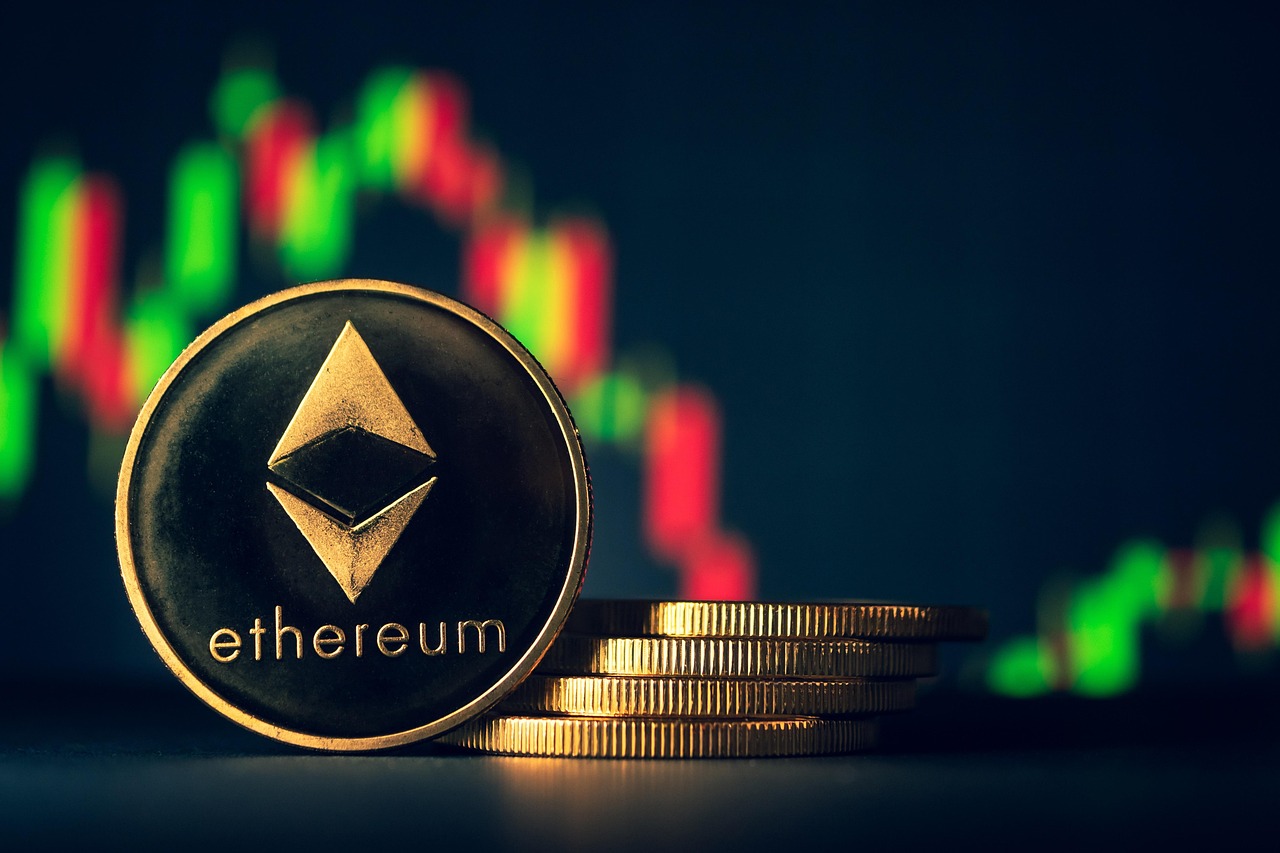
Non-fungible tokens (NFTs) are a form of digital asset representing ownership of unique items or content secured through blockchain technology. Unlike cryptocurrencies like Bitcoin or Ethereum, which are fungible and can be exchanged for one another, NFTs are distinct and cannot be swapped on a one-to-one basis. This uniqueness allows NFTs to represent ownership of various assets, including digital art, music, videos, and virtual real estate.
NFTs work by using blockchain technology to verify and record ownership. Specifically, they utilize smart contracts, which are self-executing contracts with the terms of the agreement directly written into code. When an NFT is created, a smart contract is deployed on the blockchain, documenting the initial owner and subsequent transactions. Each NFT has a unique identifier, ensuring that the asset can be traced back to its original creator, thereby establishing authenticity and ownership.
![This image illustrates the concept of a digital asset secured by blockchain technology.]
Key metrics around NFT sales show significant growth. In 2021, NFT sales exceeded $10 billion, up from around $140 million in 2020, according to industry audits. This surge has attracted a wide spectrum of creators and collectors, from individual artists to large corporations and celebrities. An overview of nonfungible tokens

NFTs have gained traction in various sectors, including art, music, gaming, and fashion. Artists and creators use NFTs to directly monetize their work, retaining a higher percentage of sales compared to traditional galleries or distribution platforms. In this way, NFTs create new revenue streams and facilitate owner control over their content.
![This visual represents the diversified applications of NFTs across different industries.]
Despite their growing popularity, NFTs have limitations. They are not suited for all digital ownership scenarios. For instance, NFTs do not inherently guarantee the legal copyright of the asset they represent. While ownership of an NFT signifies possession of a digital asset, the underlying rights to reproduce or sell the content may still belong to a different entity. Additionally, the environmental impact of blockchain technology, particularly in relation to energy-intensive proof-of-work systems, can raise concerns among environmentally conscious creators and collectors.
The following points outline considerations for when alternatives to NFTs might be preferable: Ownership of unique items or content

1. Scalability: NFTs can face high transaction fees on congested networks, making them less practical for low-value transactions.
2. Copyright Implications: Users should be aware that purchasing an NFT does not automatically transfer legal rights for the original media.
3. Accessibility: Alternatives like traditional digital marketplaces may provide broader access for users hesitant to adopt blockchain technology.
![This graphic is a conceptual representation of the challenges faced in NFT transactions.]
When interacting with NFTs, understanding basic operational processes is essential. The following list details the primary steps involved in creating and managing NFTs:
1. Create digital content or select existing digital assets.
2. Choose a blockchain that supports NFTs, such as Ethereum or Tezos.
3. Set up a digital wallet to store cryptocurrencies and NFTs.
4. Mint the NFT by deploying a smart contract on the chosen blockchain.
5. List the NFT on a marketplace for buyers to purchase.
6. Transfer ownership to the buyer upon successful transaction.
7. Optionally, include royalty terms in the smart contract for future sales. This uniqueness allows NFTs to represent ownership
| Feature | NFTs | Traditional Assets |
|——————|—————————————|—————————————|
| Ownership | Unique and verifiable via blockchain | Varies, may lack transparent proof |
| Transferability | Easily exchanged on various platforms | Often involves third-party mediation |
| Royalties | Programmable in smart contracts | Limited to contractual agreements |
In conclusion, while NFTs represent significant innovations in digital ownership and monetization, they come with caveats that potential users must understand before diving into this evolving landscape. Monitoring the developments in NFT technology, legal frameworks, and environmental implications will inform stakeholders as they navigate this space.
Staying updated through industry reports and participation in NFT forums can enhance user engagement and understanding.
How are digital collectibles defined within the realm of these unique tokens?
Digital collectibles, often associated with these tokens, are unique digital items that are verified using blockchain technology. Each collectible has a distinct value and ownership traceability, making them different from standard digital files which can be easily copied or duplicated. However, this introduces tradeoffs that must be evaluated based on cost, complexity, or network conditions.
How do these tokens compare to traditional forms of ownership like physical art?
Unlike physical art, which can be damaged or lost, these tokens exist digitally and can be securely stored on a blockchain. However, the absence of a physical counterpart may deter collectors who value tangible properties, and the necessity for digital wallets introduces another layer of complexity in ownership management.
What factors should individuals consider before purchasing one of these tokens?
Individuals should assess their understanding of blockchain technology and the specific marketplace conditions before purchasing these tokens. Factors like the seller's credibility, market demand, and potential resale issues are critical, as these assets can carry significant financial risk based on speculative trends. However, this introduces tradeoffs that must be evaluated based on cost, complexity, or network conditions.
