
Amy House provides an analysis of the latest trends impacting ethereum price prediction as of Wednesday, January 21, 2026 at 07:54 PM.
Ethereum price prediction refers to the process of estimating future values of Ethereum (ETH), a leading cryptocurrency known for its smart contract functionality and decentralized applications. Accurate predictions rely on a multitude of factors, including market trends, technological developments, regulatory changes, and broader economic indicators.
The decentralized nature of Ethereum allows for a wide variability in price influenced by numerous external and internal factors. Historical price behaviors, trading volumes, and overall sentiment in the cryptocurrency market serve as critical indicators for potential future movements. Analysts often utilize various technical analysis tools, such as candlestick charts and moving averages, to predict potential price changes. Latest trends impacting ethereum price prediction
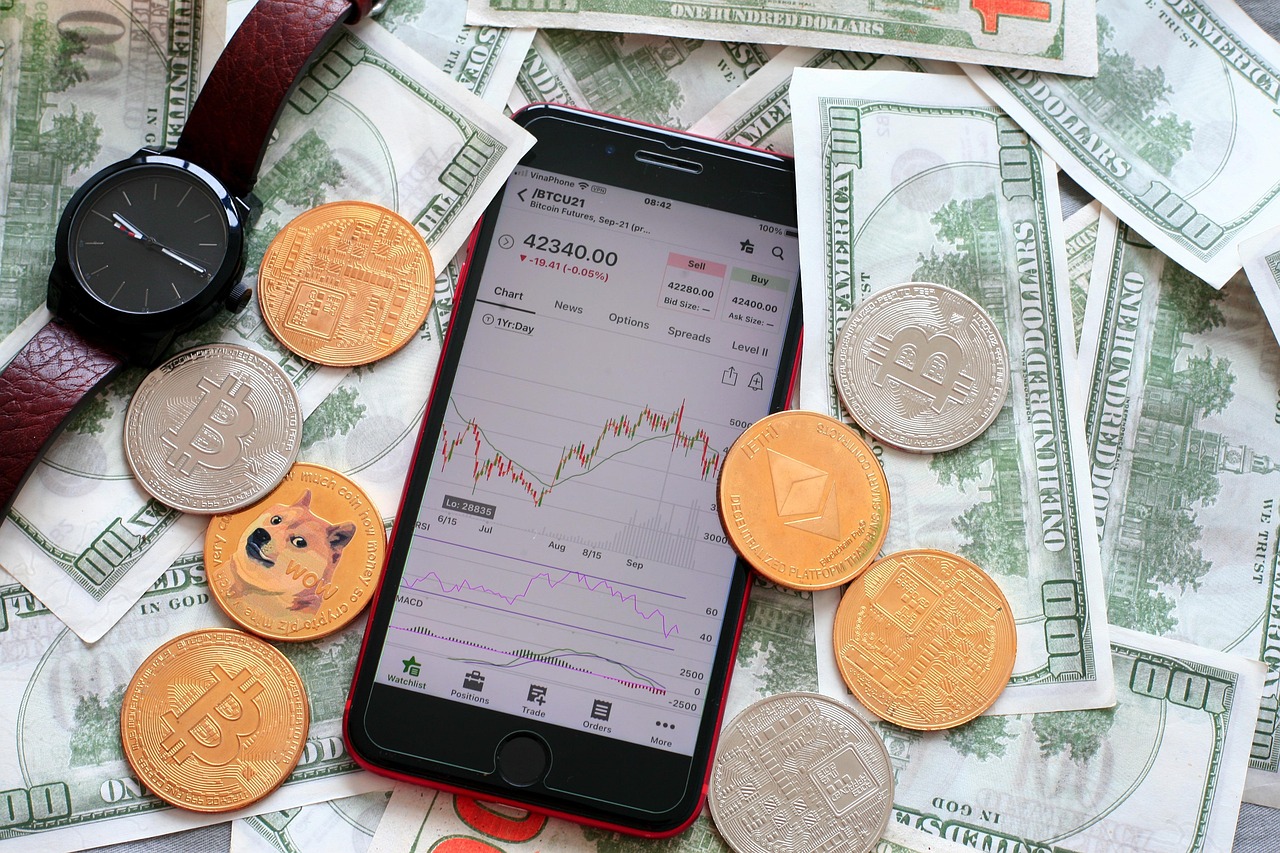
One significant factor affecting Ethereum price is its network upgrades. For instance, the transition from proof-of-work (PoW) to proof-of-stake (PoS) has raised expectations regarding both network efficiency and energy consumption. These upgrades can enhance user trust and lead to bullish market sentiment, influencing price movements.
Ethereum’s position in the DeFi space is also vital. As decentralized finance applications grow, demand for Ether increases, driving prices upwards. Similarly, the popularity of NFTs (non-fungible tokens) on the Ethereum network contributes to its pricing dynamics. Economic conditions, such as inflation rates and interest rates, further influence how investors view Ethereum in comparison to traditional investments. Accurate predictions rely on a multitude of factors

In practice, the cryptocurrency market is especially prone to volatility, meaning that past performance does not guarantee future results. Secure storage options, trading strategies, and awareness of market trends are crucial for individuals looking to engage with Ethereum investments. As a result, potential investors should conduct thorough research, examining both macroeconomic factors and project-specific developments.
Investors should also be aware of the regulatory landscape surrounding Ethereum and cryptocurrencies in general. Changes in regulations may have substantial impacts on price movements. Countries implementing stricter regulations may deter investors, resulting in downward pressure on prices. Historical price behaviors

When assessing Ethereum price predictions, one must remain prudent about potential risks. Although technical and fundamental analysis can provide insights, market inefficiencies and unforeseen events can drastically alter price trajectories. Key indicators, such as trading volumes and market cap, should be closely monitored to understand the underlying trends better.
The tradeoff involved in relying solely on Ethereum price predictions can be significant. Price predictions based on technical analysis may not account for unexpected external factors like technological failures or major security breaches in platforms using Ethereum. Therefore, it is imperative to conduct due diligence before making investment decisions based solely on these forecasts. Additionally, those unfamiliar with blockchain technology or cryptocurrency markets may find themselves at a greater risk of making uninformed or poor investment choices.
1. Understanding Ethereum’s Price Dynamics
Factors influencing Ethereum’s price include:
1. Technological advancements: Network upgrades improving functionality.
2. Market sentiment: Public perception built on news and trends.
3. Regulatory environment: Rules affecting market participation.
2. Analyzing Historical Price Trends
Historical trends can provide insights into price forecasting by:
1. Revealing patterns: Past price movements that suggest potential future trajectories.
2. Indicating resistance levels: Price points that have historically proved difficult to move above or below.
3. Providing context: Understanding market behaviors during significant events.
3. Future Projections and Scenarios
Forecasts often involve various scenarios, including best and worst cases:
1. Bullish projections: Based on optimistic market conditions and technological adoption.
2. Bearish outlooks: Considering potential regulatory impacts and market downturns.
3. Neutral forecasts: Calling for minimal price changes in the medium term.
| Factor | Impact on Price | Description |
|————————–|——————|————————————————|
| Technological Upgrades | Positive | Enhances network efficiency and attractiveness. |
| Regulatory Changes | Variable | May inhibit or promote investment activities. |
| Market Sentiment | Dynamic | Influenced by news, trends, and public perception.|
In summary, while Ethereum price predictions can serve as valuable tools for understanding potential trajectories, a conservative approach is advisable. Maintaining awareness of external factors, technological developments, and regulatory environments is crucial for anyone involved in the Ethereum market. Solid groundwork in research and risk management can reduce exposure to potential pitfalls, contributing to a more balanced investment strategy.
Key Takeaways
- Ethereum price predictions often rely on historical price data, market trends, and macroeconomic factors that can influence investor behavior.
- Privacy and scalability improvements, like Ethereum 2.0, are expected to impact the long-term value proposition, which may affect future price levels.
- Market sentiment, regulatory developments, and technological advancements significantly contribute to the volatility and unpredictability of Ethereum's price.
What factors influence the future value of Ethereum?
The future value of Ethereum can be influenced by its adoption rate, technological developments such as Ethereum 2.0, regulatory changes, and overall market sentiment towards cryptocurrencies. Additionally, competition from other blockchain platforms can affect its market position, impacting price predictions. However, this introduces tradeoffs that must be evaluated based on cost, complexity, or network conditions.
How can investors use Ethereum forecasts in their trading strategies?
Investors may utilize price forecasts to make informed decisions about buying or selling Ethereum, particularly during periods of high volatility. However, reliance on predictions can be risky, as actual market behavior may diverge significantly from forecasted trends due to unforeseen events or market manipulation.
What should an investor consider before relying on an Ethereum price forecast?
Investors should consider the methodology used in the price prediction, such as whether it's based on technical analysis or fundamental analysis, and the timeframe of the forecast. Additionally, understanding the impact of external variables like regulatory changes and market trends is crucial, as these factors can significantly affect the prices in unpredictable ways. However, this introduces tradeoffs that must be evaluated based on cost, complexity, or network conditions.
