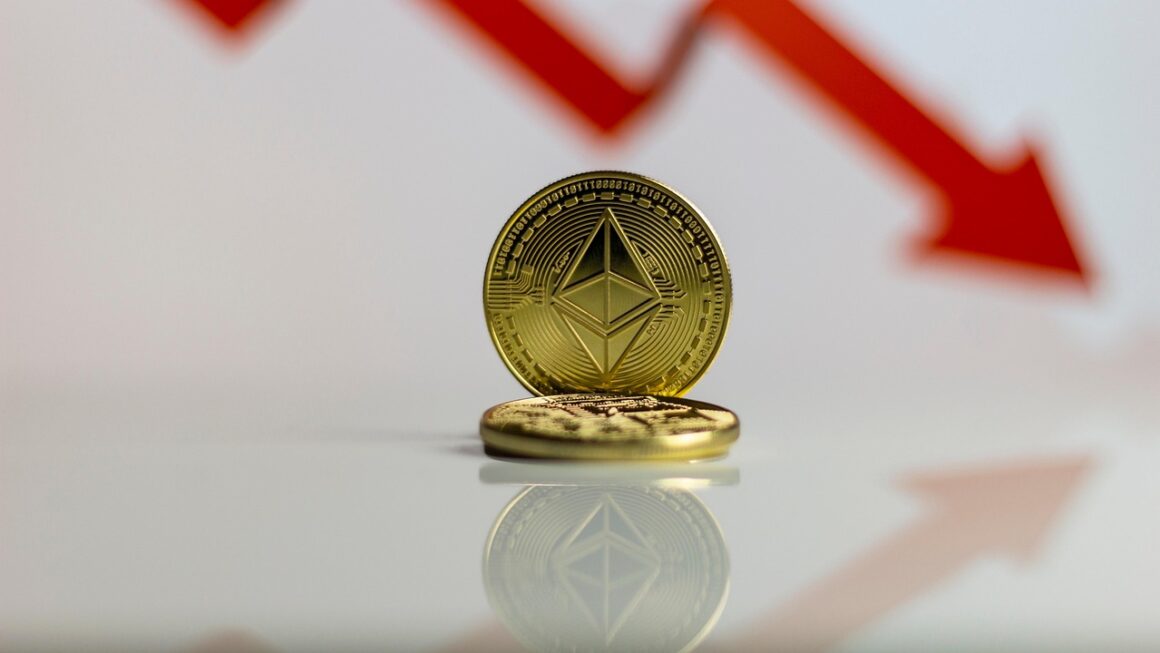
As of Wednesday, February 11, 2026 at 10:44 PM, Amy House discusses ongoing market dynamics surrounding blockchain and analyzes the factors contributing to its current decline.
Recent fluctuations in blockchain values highlight several meaningful deviations from previous market stability, indicating that investor sentiment, regulatory updates, or technological challenges could be affecting the overall perception and adoption of these assets. Monitoring consistent metrics such as trading volumes, exchange liquidity, and market cap can provide essential insights into trends and help users make informed decisions. Regularly integrating information checks on these indicators is crucial for adapting strategies and anticipating future movements in the blockchain landscape.
Ongoing Considerations
- Market sentiment has shifted negatively due to macroeconomic factors, resulting in a decrease in blockchain asset valuations.
- Regulatory concerns and uncertainty surrounding cryptocurrency policies contribute to market volatility and declining prices.
- High-profile security breaches and fraud incidents within blockchain projects can undermine investor confidence and lead to sell-offs.
- Technological limitations or failures in scaling solutions may hinder growth prospects, causing traders to reevaluate their positions.
- Increased competition from emerging technologies and alternative investment opportunities can divert interest away from blockchain assets.
Understanding Recent Blockchain Value Declines
The current landscape of cryptocurrency markets reflects various complexities, and a notable trend is the fluctuation in blockchain values. Recent observations indicate that numerous blockchain assets are experiencing significant declines, necessitating a closer examination of the underlying factors contributing to these downturns. Recent observations indicate shifts in value.
New information suggests that macroeconomic conditions are increasingly influencing investor sentiment. Recently, rising inflation rates and tightening monetary policies have forced investors to reevaluate their portfolios, often leading to movements away from high-volatility assets, including cryptocurrencies. This evolving narrative underscores the importance of maintaining an up-to-date understanding of market conditions to navigate these turbulent waters effectively. The complex factors affecting market stability.
Engaging with these trends requires continuous observation. Regular analyses can highlight shifting dynamics, allowing informed decisions based on the most recent data available. Monitoring market indicators and news updates can create a robust habit that empowers users to stay engaged with blockchain developments.
Navigating Market Fluctuations in Blockchain Investments
Macroeconomic conditions impacting investor perceptions.
The expectation of ongoing relevance in this discourse anchors users emotionally and cognitively. A reliable source of information regarding blockchain trends can cultivate a sense of trust and dependency, enhancing engagement with both historical and emerging market signals. By tracing price movements and correlating them with external factors such as technological advancements or regulatory changes, individuals can reinforce their decision-making with reliable contextual historical grounding. Ongoing dynamics related to blockchain trends.
Furthermore, it is critical to distinguish meaningful deviations from prior market states. Changes in trading volume and price dynamics often serve as signals to initiate further investigation into market health. By closely tracking these indicators, users can develop a nuanced understanding of the blockchain environment, making them more prepared for potential future fluctuations. The implications of current blockchain asset fluctuations.
The anticipation of upcoming moments that require re-engagement is a vital aspect of this dialogue. For instance, significant events such as policy announcements or major technological developments in the blockchain space can create opportunities for price recovery or further declines. Preparing for these moments allows individuals to act decisively when circumstances shift, ensuring that they remain at the forefront of market movements.
Adapting to Shifts in Blockchain Market Trends
Insights into the reasons behind falling blockchain values.
While the declining value of blockchain assets may present challenges, it is not conducive to fostering long-term investor confidence or encouraging new participants in the market. Users should consider alternative investments when they observe prolonged periods of value decrease, lack of market engagement, or diminishing technological advancements that undermine stability. Additionally, those reliant on past performance indicators without adapting to current volatility may find themselves at a disadvantage, as the evolving dynamics of the blockchain space can shift rapidly, emphasizing the need for a proactive evaluation framework.
Integrating regular information check routines can further enhance engagement with blockchain developments. By incorporating assessments of price fluctuations and external influences into daily habits, users can cultivate awareness that informs ongoing participation in the market. This approach fosters an environment where information becomes an integral part of decision-making frameworks.
Establishing a continuity lock-in enhances the sense of reliability associated with information sources. This ongoing relationship encourages repeated engagement, setting the foundation for informed investment strategies. Regularly consulting data and analysis on blockchain price trends develops a feedback loop that not only informs current perspectives but also shapes future expectations.
Lastly, a framework for ongoing evaluation proves beneficial for maintaining relevance in this fast-paced landscape. By revisiting assessments and aligning them with evolving economic contexts, users can validate their understanding continually. Each engagement offers a chance to refine perspectives, ensuring that decisions are rooted in a sound analysis of current conditions.
Overall, understanding why the blockchain market is experiencing downturns demands a proactive approach to information consumption. By utilizing a systematic examination of current events and recurring patterns within the market, individuals can cultivate a comprehensive understanding that actively informs their engagement with cryptocurrencies. The continual evolution of this space necessitates vigilance and adaptability, encouraging stakeholders to integrate these insights into their investment strategies effectively.
Ongoing Considerations
What factors are contributing to the recent decline in blockchain value?
The decline in blockchain value can be attributed to multiple factors, including regulatory uncertainties, market volatility, and macroeconomic conditions that reduce investor confidence. Additionally, technological issues within specific blockchain networks can also affect overall perception and adoption, leading to price drops. However, this introduces tradeoffs that must be evaluated based on cost, complexity, or network conditions.
How is blockchain being utilized in different sectors during economic downturns?
During economic downturns, blockchain is being used to enhance transparency and reduce costs in sectors like supply chain management and finance. However, the adoption can be limited by the high initial investment required for integration and the complexity of existing systems that may resist change.
What are the risks of investing in blockchain technologies in the current market?
Investing in blockchain technologies now carries significant risks, including the high potential for price volatility and the uncertain regulatory landscape that could impact operations. Furthermore, emerging projects may lack proven track records, making them particularly vulnerable to sudden failures or market sentiment shifts. However, this introduces tradeoffs that must be evaluated based on cost, complexity, or network conditions.